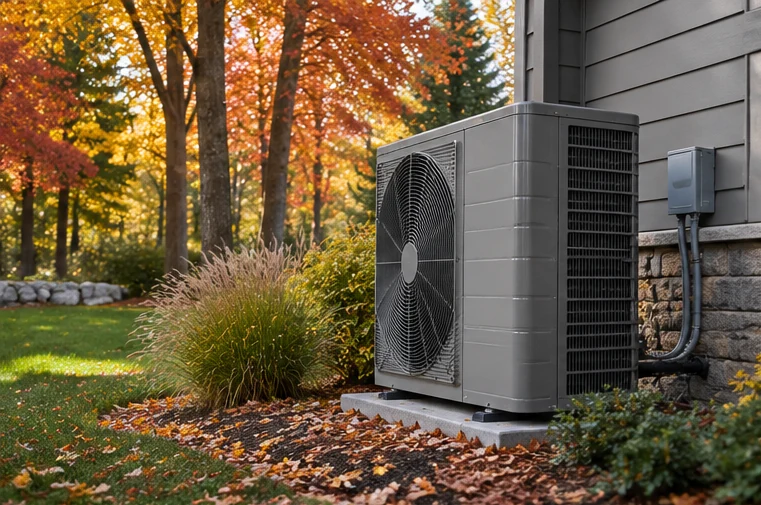
PLANNED WORK / INSTALLATION
A replacement
is a considered plan.
A useful proposal makes equipment, site requirements and project boundaries understandable.
- Discuss
- Current system and the change you want
- Understand
- Site, access and installation scope
- Confirm
- Written options, timing and cost with a real contractor
Compare the conversations.
An immediate fault and a planned installation deserve different kinds of scoping.
| Question | Repair assessment | Replacement discussion |
|---|---|---|
| Starting point | What changed in operation? | What needs to change in the system? |
| Useful context | Timing, equipment and access | Property conditions, current setup and project horizon |
| Next step | Assessment and explained options | Site review and an explicit proposal |
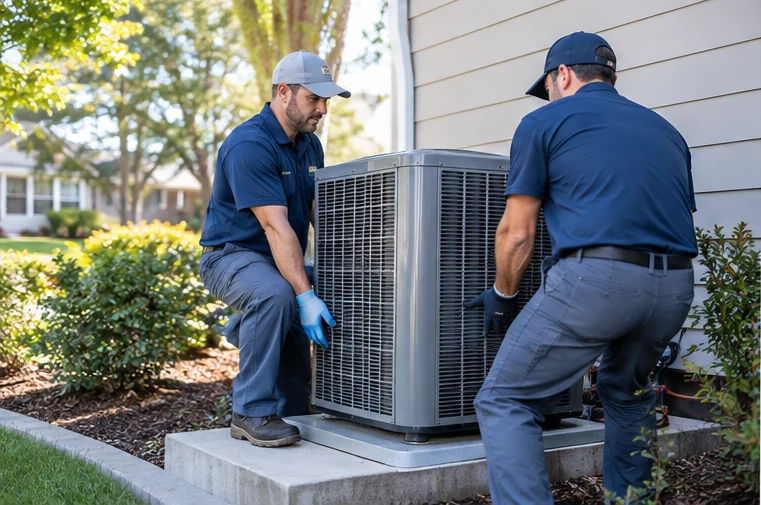
Questions before a commitment.
Choose the items useful to your preparation
0 of 4 checked
HOMEOWNER SERVICE GUIDE
What goes into an HVAC replacement plan
Choosing a new system is about how the home works, not simply matching the number printed on an older unit.
System sizing and load considerations
A qualified contractor should evaluate home characteristics and heating/cooling requirements rather than assuming that the existing unit was correctly sized.
Ductwork, airflow and electrical readiness
An installation proposal should address existing ducts, return-air paths, equipment access, electrical compatibility and any work beyond the equipment itself.
Efficiency and comfort priorities
Discuss noise, zoning or room-by-room comfort, budget constraints and seasonal use. Product efficiency ratings are useful inputs, not guaranteed household savings.
Written scope and installation details
Clarify removal of old equipment, permits when applicable, materials, labor, commissioning, warranty documentation and who handles any related trades.
HOMEOWNER SERVICE GUIDE
From first conversation to installation day
A deliberate plan makes expectations clearer for both homeowner and installer.
Initial evaluation
Gather equipment details, access limitations and comfort concerns; request an on-site evaluation of the home before accepting a final design.
Compare proposals
Review what each quoted package includes, whether the equipment and work are comparable, and how changes to the scope will be handled.
Preparation and handoff
Confirm appointment timing, workspace access, protection of finishes and a walkthrough of controls, filters, manuals and service instructions after installation.
ILLUSTRATIVE HOMEOWNER SCENARIO
Planning a planned heat pump replacement
A homeowner wants to compare replacement options for aging equipment. The proposed process starts with a home and ductwork evaluation, discusses comfort priorities and clarifies installation preparation, rather than giving an equipment-only price without context.
FREQUENTLY ASKED QUESTIONS
Questions homeowners often ask
Can a new unit be the same size as my old one?
Possibly, but a proper evaluation should consider current home loads and installation conditions rather than copying an old rating by default.
Will a higher efficiency rating lower my bills?
Efficiency is one factor, but actual costs also depend on the home, climate, energy rates, equipment sizing and use. A website cannot guarantee savings.
What should be in an installation proposal?
Ask for equipment identification, labor and ancillary work, permit responsibility where required, price, schedule, warranties and the process for change orders.