SERVICE / COOLING
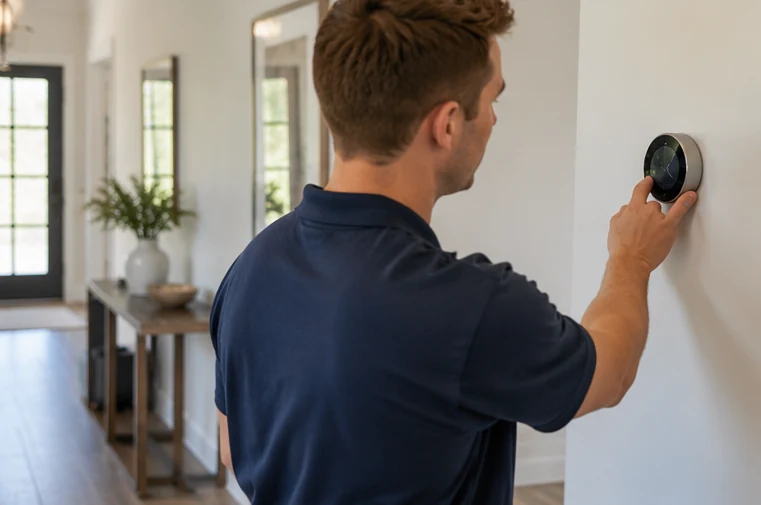
When cooling
does not feel right.
The first task is to understand what changed. A symptom is context for a visit, not a diagnosis.
Useful things to share.
A concise description makes the next conversation more focused.
0 of 4 checked
What a repair assessment can establish.
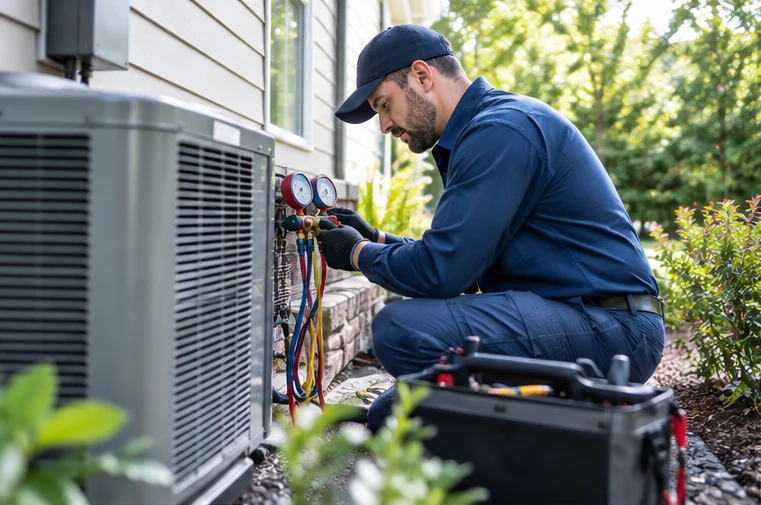
A real contractor would examine the system, explain findings and discuss options and scope. A request does not establish the fault, final cost or repair availability.
Should I choose repair or replacement?
Do these examples tell me how to repair equipment?
Is urgent service available?
HOMEOWNER SERVICE GUIDE
Common air conditioning problems worth discussing
Some symptoms are straightforward to describe even when their cause is unknown.
Air conditioner runs but does not cool
Tell the technician whether the home stays warm, the system runs continuously, or the cooling changed suddenly. A site visit may involve thermostat, airflow, electrical and refrigerant-system checks.
Weak or uneven airflow
Mention rooms that feel warmer than others, changes at supply vents and filter-access issues. Airflow concerns may involve the filter, blower, ductwork or other system conditions.
New noises, cycling or shutdowns
Record when a noise begins, whether the equipment turns on and off unusually often, and any display or error messages. Avoid opening electrical compartments or attempting repairs.
Leaks or unexpected moisture
Describe where moisture appears and whether the system continues to operate. Some situations deserve prompt professional assessment; turn off equipment if you suspect an unsafe electrical condition.
HOMEOWNER SERVICE GUIDE
What to expect from an AC repair visit
A responsible repair conversation moves from observations to findings to an agreed next step.
Before the visit
Share the system location, accessibility, approximate equipment age if known and the specific behavior you noticed. Confirm visit charges and scheduling with the actual provider.
During assessment
A technician can inspect accessible equipment, test relevant operating conditions and explain what needs further investigation. A symptom alone is not a confirmed diagnosis.
Before authorizing repairs
Ask what was found, which work is recommended, what is included in the estimate, whether parts are available and whether alternatives are sensible for the system’s condition.
ILLUSTRATIVE HOMEOWNER SCENARIO
A house that cools unevenly
A homeowner reports that the upstairs rooms are warmer than usual while the system continues running. A useful first discussion covers airflow, thermostat settings, filter access and how the temperature difference changed over time. A technician would need to inspect before proposing repairs.
FREQUENTLY ASKED QUESTIONS
Questions homeowners often ask
Why does the AC run without cooling the house?
Possible explanations range from airflow issues to controls or equipment faults. The symptom is not enough to establish a cause or repair price.
Should I replace the filter before calling?
If the filter is safely accessible and the manufacturer instructions are clear, checking its condition can be a reasonable first observation. Do not open service panels or handle electrical components.
Can you quote a repair from a symptom description?
Not reliably. A real contractor normally needs equipment details and often an on-site assessment before confirming a diagnosis and scope.