A change in operation
Describe what you have observed and when it began. Do not open equipment or infer a cause from a website description.
A MORE COMFORTABLE HOME
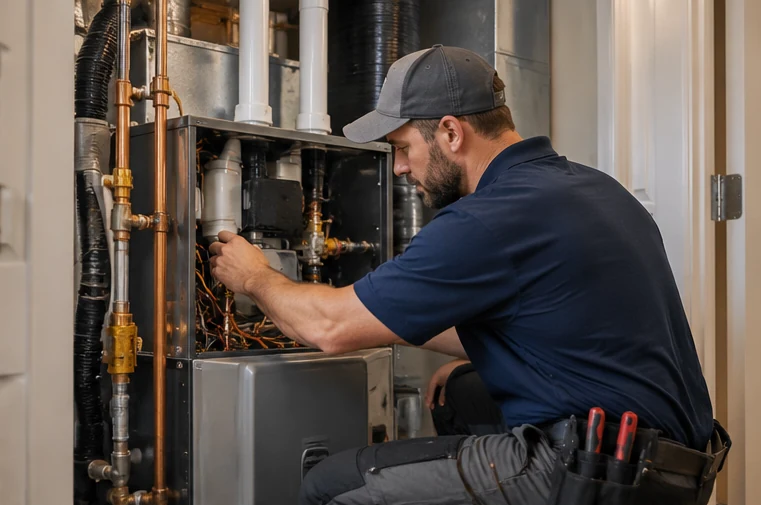
SERVICE / HEATING
Heating comfort, equipment operation and a planned change lead to different conversations.
Describe what you have observed and when it began. Do not open equipment or infer a cause from a website description.
Gather what you know about the current equipment and the property. Site conditions and a professional assessment shape an installation scope.
Replacement & InstallationAsk what is included, what is excluded and how findings are explained. Planned maintenance is different from a repair guarantee.
Maintenance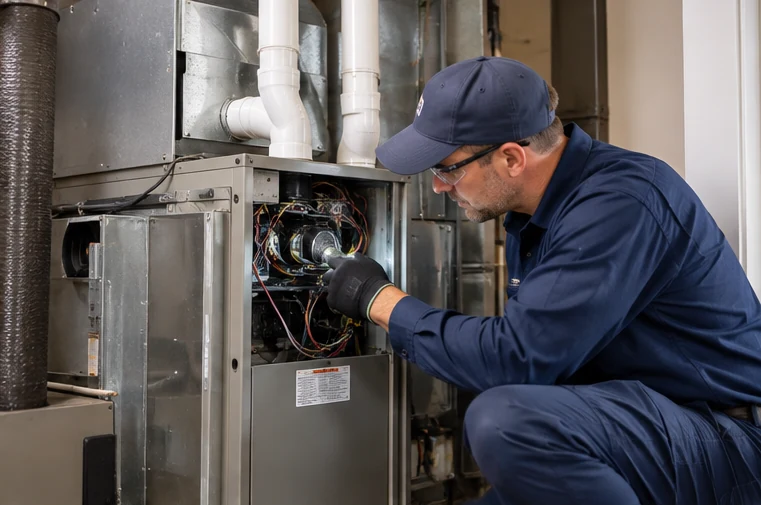
You can select “Heating / heat pump” or “Not sure yet.” Nothing here schedules a visit or provides an equipment diagnosis.
Request ServiceHOMEOWNER SERVICE GUIDE
Furnaces, air-source heat pumps and combined systems can behave differently. Describe your equipment and what you are seeing rather than trying to diagnose it.
Mention no heat, unusual startup sounds, inconsistent temperatures or repeated shutdowns. A real technician may inspect controls, airflow and system-specific safety components.
Note whether the system struggles in a particular mode, the outdoor-unit behavior and any unusual change during colder weather. Normal defrost behavior can vary, and a professional assessment distinguishes routine operation from a fault.
If your home uses auxiliary heating, explain when the backup appears to run and any thermostat alerts. Equipment type, climate and thermostat settings affect the discussion.
Record which areas are affected and whether the issue occurs only in heating mode. The conversation may cover airflow, insulation and duct conditions as well as equipment performance.
HOMEOWNER SERVICE GUIDE
A useful visit is about making the next decision understandable.
Describe whether the concern is new or recurring, what rooms are affected and whether equipment runs continuously. Include unusual odors or alarms without assuming their cause.
If you smell gas, leave the area and contact the utility or emergency services according to local guidance. Do not attempt to troubleshoot a suspected gas leak.
Ask what was tested, what repairs or adjustments would involve, and when replacement planning or follow-up inspection is worth considering.
ILLUSTRATIVE HOMEOWNER SCENARIO
A family notices that its heat pump seems to run longer in colder weather and occasionally uses auxiliary heat. The service conversation would establish system type, outdoor conditions, thermostat information and whether the behavior has changed before drawing conclusions.
FREQUENTLY ASKED QUESTIONS
The right schedule depends on equipment and manufacturer guidance. Discuss mode-specific checks and seasonal conditions with the servicing contractor.
Backup operation may be expected in some conditions or indicate a configuration or performance issue. Equipment type and thermostat information help frame an assessment.
Leave the area and follow local gas utility or emergency guidance. Do not operate switches or attempt DIY diagnosis of a suspected leak.