This chapter introduces preventive and family-care conversations without setting a personal schedule or giving treatment advice.
01
Routine visits
Ask what a visit includes, how recommendations are explained and how future timing is discussed.
02
Family coordination
Ask about age ranges, separate appointments and how a parent or supporter can be involved.
03
Home-care questions
Bring questions about your routine to a qualified clinician. This demo does not prescribe products or techniques.
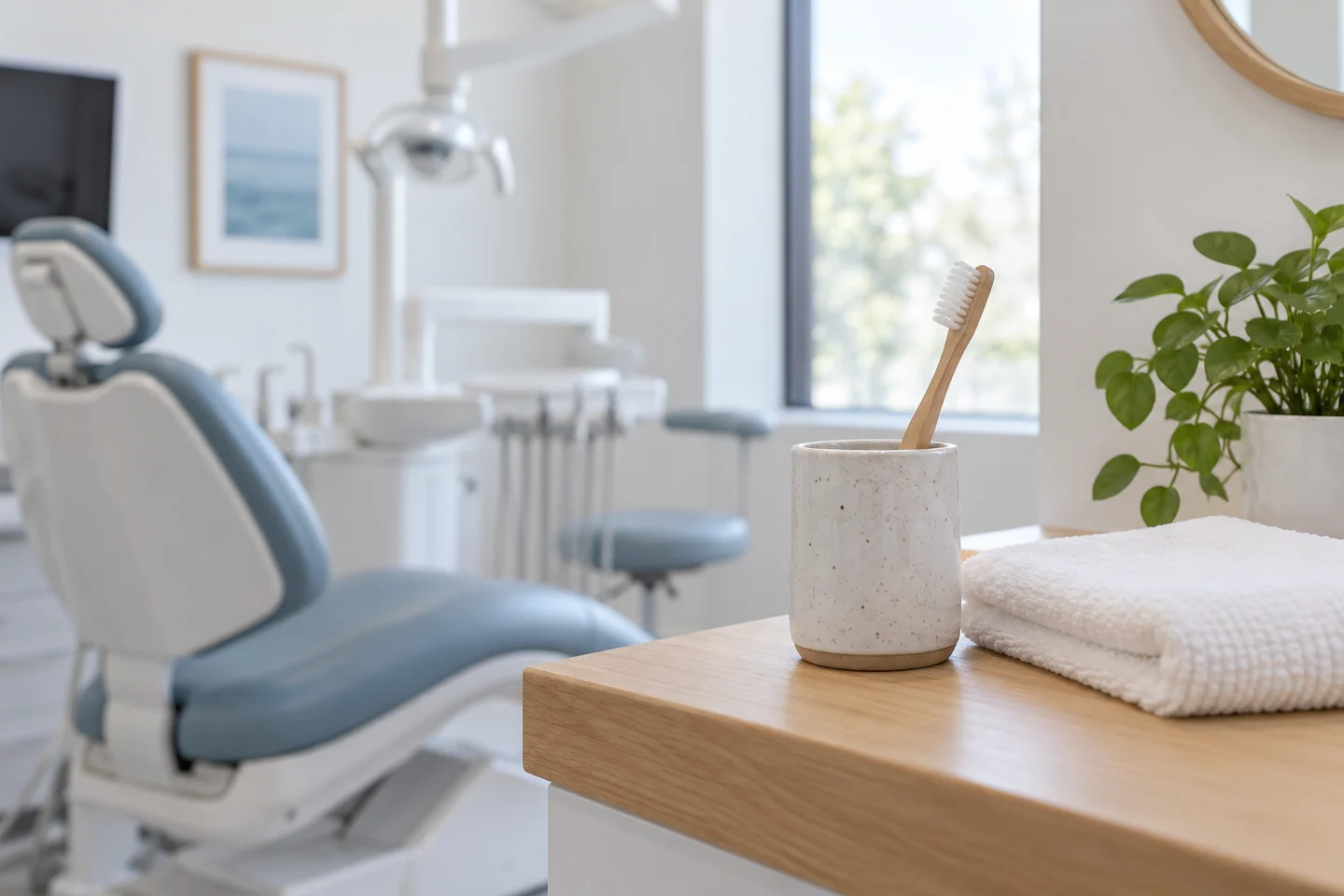
Everyday care context; product choices are individual.
Common preventive conversations
What preventive visits may include
Routine dental care begins with understanding the person, not choosing a procedure from a website. These topics can help visitors prepare questions for a qualified dental team; they are not a confirmed list of Daymark treatments.
Examinations
A dental professional can review your concerns and oral health, describe findings and explain potential next steps.
Cleanings
Ask what a professional cleaning involves and how home-care habits may relate to your individual needs.
X-rays & assessment
Ask whether imaging is appropriate in your circumstances, what it may help clarify and how results will be explained.
Gum health
Bring up bleeding, sensitivity or changes you have noticed and ask whether further evaluation is appropriate.
Fluoride & sealants
Learn why a dentist might discuss these preventive tools, including for some children, and what questions to ask about suitability.
An actual office must verify its preventive services, treatment recommendations and clinical approach before publishing this content as practice-specific advice.
Illustrative family-care setting for this fictional practice concept.
Family-centered questions
Children's visits and family planning
A welcoming family-dental website should explain how parents or supporters can prepare, while allowing the real practice to confirm its clinical scope and policies.
Ask which ages the practice accepts, when a pediatric dentist or another specialist may be appropriate, and whether visits need to be scheduled separately.
Discuss a child's first-visit questions, comfort needs and the involvement of a parent, caregiver or support person.
Ask about mobility, communication, sensory preferences, accessibility accommodations and coordinating appointments for family members.
The American Academy of Pediatric Dentistry recommends establishing a dental home no later than 12 months of age. This recommendation does not mean Daymark accepts infants or operates a pediatric specialty clinic.
A real provider must verify age eligibility, referrals and available accommodations. Educational reference: AAPD Dental Home (external).
Plan a practical first step
Read the visit guide, then choose your preferred pathway.